When searching for a Safe Abortion Center in Kathmandu, finding trustworthy, professional medical care becomes paramount for women’s health and safety. Nepal’s progressive approach to reproductive healthcare has established clear legal frameworks that protect women’s rights while ensuring access to safe abortion services.
This comprehensive guide explores everything you need to know about safe abortion services, legal provisions, and finding the best abortion clinic Kathmandu has to offer.
Many women look for confidential abortion services where privacy is respected. A trusted clinic provides safe care so women feel comfortable and supported.
These clinics also offer sexual and reproductive health services to help women stay healthy. Every woman’s reproductive health requisites are different, so care should be kind and respectful.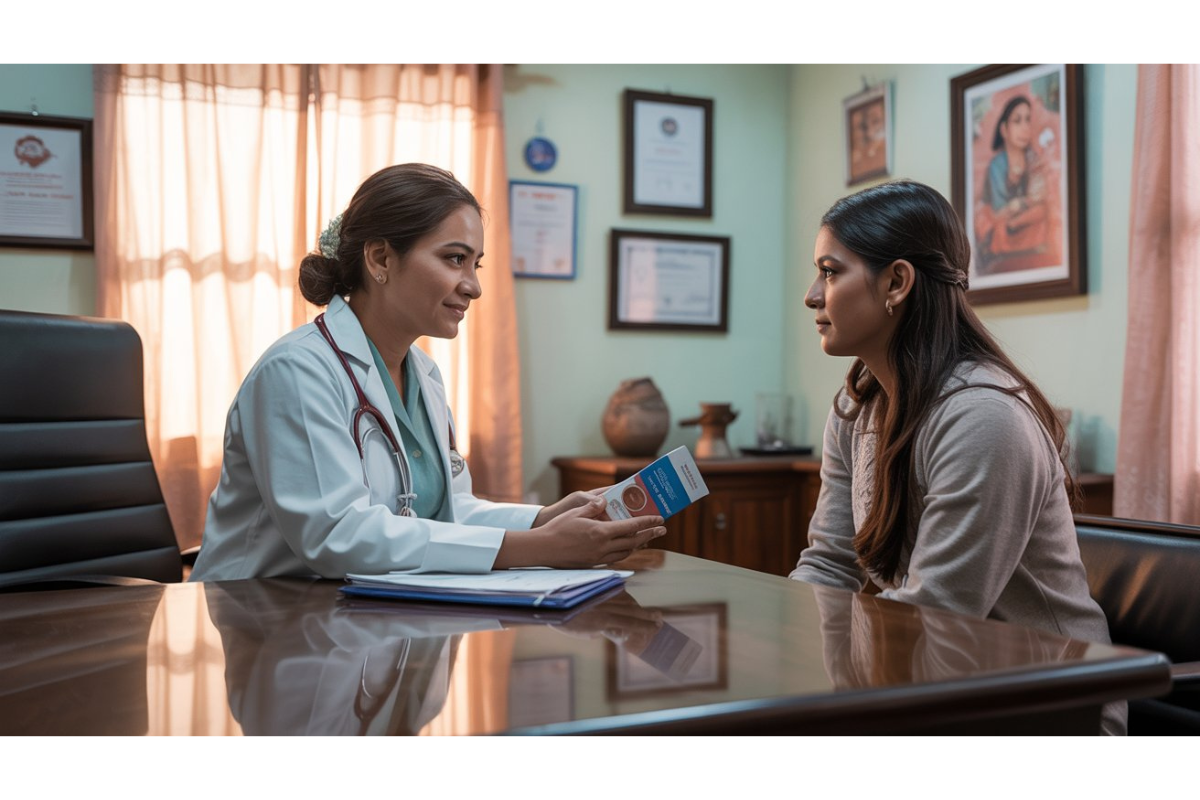
Understanding Safe Abortion Services in Nepal
Safe abortion definition encompasses medical procedures performed by trained healthcare professionals using appropriate techniques in sanitary conditions. The safe abortion short meaning refers to terminating pregnancy through medically approved methods that minimize health risks and complications.
A Safe Abortion Center in Kathmandu must adhere to World Health Organization guidelines and Nepal’s medical standards.
The purpose of abortion varies among individuals, but common reasons include:
- Protecting maternal health when pregnancy poses risks
- Cases of fetal abnormalities incompatible with life
- Pregnancies resulting from sexual assault or interbreeding
- Socioeconomic circumstances preventing safe pregnancy continuation
- Contraceptive failure leading to unwanted pregnancies
Medical Abortion Service – Simple and Safe Care
A medical abortion service uses medicine to end a pregnancy safely. Doctors ensure safe treatment by checking the woman’s health before starting.
At a licensed clinic, abortion service is available under medical supervision. Healthcare teams prioritize safety and explain every step clearly so women can make informed decisions.
Legal Framework: Abortion Law in Nepal
Nepal’s abortion law is among the most progressive in South Asia. Is abortion legal in Nepal? Yes, abortion has been legal since 2002 under specific conditions. The legal conditions for abortion in Nepal include:
- Gestational Limits: Up to twelve weeks for any reason with woman’s consent
- Extended Periods: Up to 18 weeks in cases of rape or interbreeding
- Medical Necessity: Beyond 18 weeks when maternal life is at risk or severe fetal abnormalities exist
- Consent Requirements: Adult women provide their own consent; minors may need guardian approval
Punishable abortion conditions in Nepal include:
- Performing abortion beyond legal gestational limits without medical justification
- Conducting procedures without proper medical training or facilities
- Operating unlicensed abortion facilities
- Forcing abortion against a woman’s will
Regarding abortion pill legality in Nepal, medication abortion is legal when performed under medical supervision within approved gestational limits. The country with longest abortion limit globally varies, but Nepal’s 18-week provision for specific circumstances demonstrates progressive reproductive rights legislation.
Medical Abortion vs Surgical Abortion
| Feature | Medical Abortion | Surgical Abortion |
|---|---|---|
| Best for | Up to 10–12 weeks of pregnancy | Usually after 10–12 weeks or when medically advised |
| Procedure | Uses abortion pills (Mifepristone and Misoprostol) | Uses a medical procedure such as MVA or D&C |
| Where it happens | At home with medical guidance or at a clinic | Performed at a licensed clinic or hospital |
| Procedure time | Medicines work over several hours to a few days | Usually completed within 5–20 minutes |
| Recovery | Most people recover within 1–2 days, with bleeding for up to 2 weeks | Most people return to normal activities within 2–5 days |
| Success rate | Around 95–98% when used correctly | More than 99% when performed by trained providers |
| Follow-up | Follow-up visit is recommended | Follow-up visit may be recommended to confirm recovery |
Best Abortion Hospital Kathmandu: What to Look For
Every one should look after following things in abortion hospital in kathmandu:
Gynecology and Gynecological Care by an Experienced Team
A good clinic has an experienced team trained in gynecology and gynecological care. These doctors understand women’s bodies and health needs.
They provide:
-
Care & support
-
Expert guidance
-
Care tailored to each woman
This helps women feel safe and confident during treatment.
Choosing the Right Safe Abortion Clinic Kathmandu
When selecting an abortion clinic Kathmandu residents trust, consider these essential factors:
Medical Credentials and Licensing
- Government-authorized healthcare facility
- Board-certified doctors and trained medical staff
- Proper medical equipment and emergency protocols
- Adherence to international safety standards
Comprehensive Services
- Pre-procedure consultation and medical evaluation
- Multiple abortion procedure options
- Post-abortion care and follow-up
- Contraceptive guidance and planned parenthood services
Patient Safety Measures
- Sterile operating environments
- Blood banking and emergency medical facilities
- 24/7 medical support availability
- Confidentiality and privacy protection
Location-Based Services
Safe Abortion Service Lalitpur The neighboring district of Lalitpur offers several healthcare facilities, but many residents prefer accessing centralized services in Kathmandu for coordinated care and privacy.
Safe Abortion Service Bhaktapur Similarly, Bhaktapur residents often seek specialized reproductive healthcare services in Kathmandu’s established medical centers that offer complete abortion care packages.
Abortion Services Near Me Finding abortion services near me requires researching licensed healthcare providers offering:
- Initial consultation and medical assessment
- Appropriate procedure selection based on gestational age
- Pain management and comfort measures
- Recovery support and aftercare instructions
Nepal Women’s Health: Current Statistics and Trends

Understanding the Numbers
Daily abortion statistics in Nepal indicate that thousands of women access safe abortion services annually. The unwanted pregnancy rate Nepal has decreased with improved contraceptive access, yet significant numbers still require abortion services.
Provisions for safe abortion in Nepal have dramatically reduced maternal mortality rates. Before legalization, unsafe abortion risks caused numerous preventable deaths. Today’s abortion-related deaths have decreased substantially due to:
- Legal access to safe procedures
- Trained healthcare provider availability
- Public health education campaigns
- Improved contraceptive access
How Abortion is Performed
How abortion is performed depends on gestational age and individual circumstances:
Medical Abortion (Medication Method)
- Used typically within first 10 weeks
- Involves taking prescribed medications under medical supervision
- How abortion pill works: Mifepristone blocks progesterone, while misoprostol causes uterine contractions
- Abortion pill success rate ranges from 93-98% when properly administered
- Abortion procedure duration for medical abortion spans 1-3 days
Surgical Abortion Procedures
- Vacuum aspiration for early pregnancies
- Dilation and evacuation for later pregnancies
- Performed in clinical settings with appropriate anesthesia
- Duration typically 10-30 minutes depending on procedure type
Women’s Health Clinic Services
Comprehensive Reproductive Healthcare
A quality women’s health clinic provides:
Pre-Abortion Services
- Medical history evaluation and physical examination
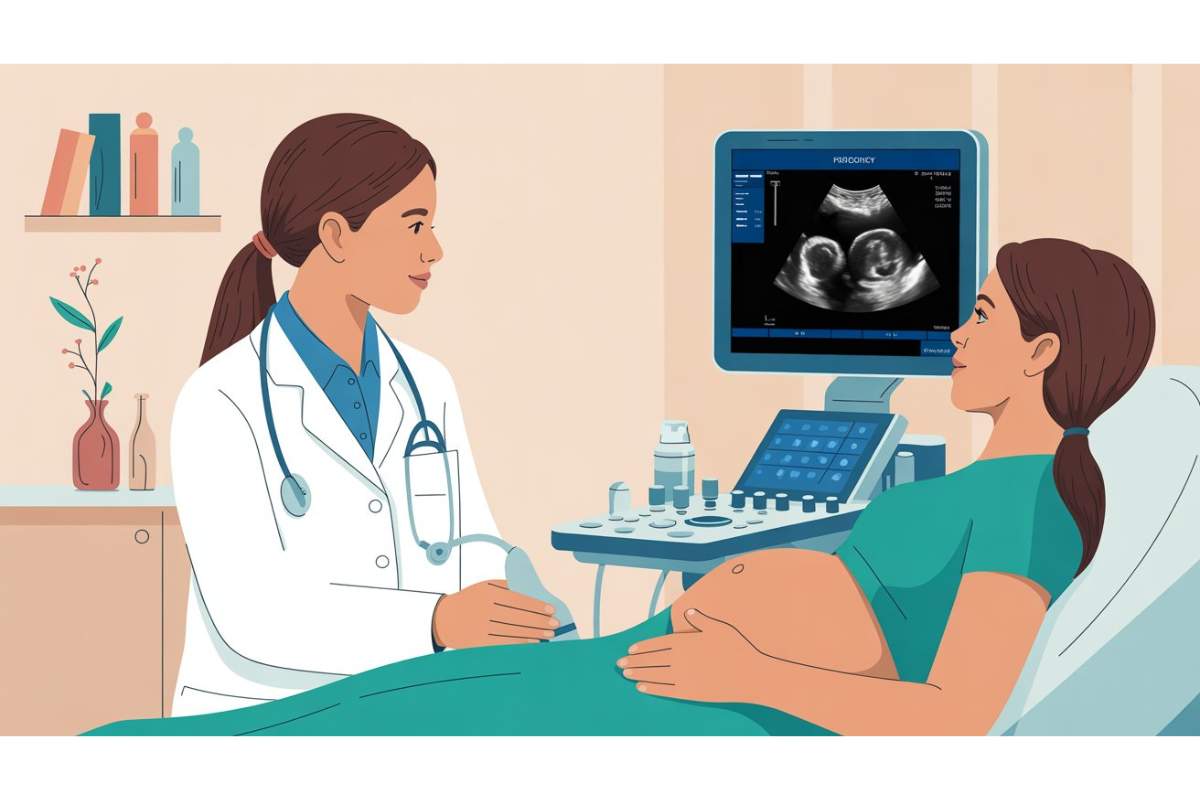
- Ultrasound to confirm pregnancy and gestational age
- Laboratory tests including blood work and STI screening
- Consultation regarding options and procedure details
During Procedure Care
- Pain management with appropriate anesthesia
- Continuous monitoring by trained medical staff
- Emotional support throughout the process
- Immediate post-procedure recovery supervision
Post-Abortion Care
- Recovery room monitoring until medically stable
- Discharge instructions and warning signs education
- Follow-up appointment scheduling
- Contraceptive counseling and family planning discussion
Contraception and Contraceptive Device Options
After abortion, doctors discuss contraception to help prevent unwanted pregnancy in the future.
Options may include:
-
Pills or injections
-
A contraceptive device
Doctors help women choose the best method for their body, helping women have access to safe family planning options.
Addressing Common Concerns
Is Abortion Completely Safe? When performed by qualified professionals in appropriate facilities, abortion is statistically safer than childbirth. However, like all medical procedures, some risks exist.
Risks Involved in Abortion
- Bleeding (usually minimal and controlled)
- Infection (rare with proper sterile technique)
- Incomplete abortion requiring additional treatment
- Allergic reactions to medications (uncommon)
Abortion Pain at 1 Month First-trimester abortions typically involve cramping similar to heavy menstrual periods. Pain management options include:
- Oral pain medications
- Local anesthesia for surgical procedures
- IV sedation when appropriate
Is Abortion Safe at 5 Months? Second-trimester procedures require specialized techniques and extended recovery. While still safe when medically necessary, earlier intervention is preferable when possible.
Providing Compassionate Care and Support
Quality clinics focus on providing compassionate healthcare. Women receive emotional and medical attention or care & support before, during, and after treatment.
Doctors listen carefully and give expert guidance so women feel calm and supported throughout their care journey.
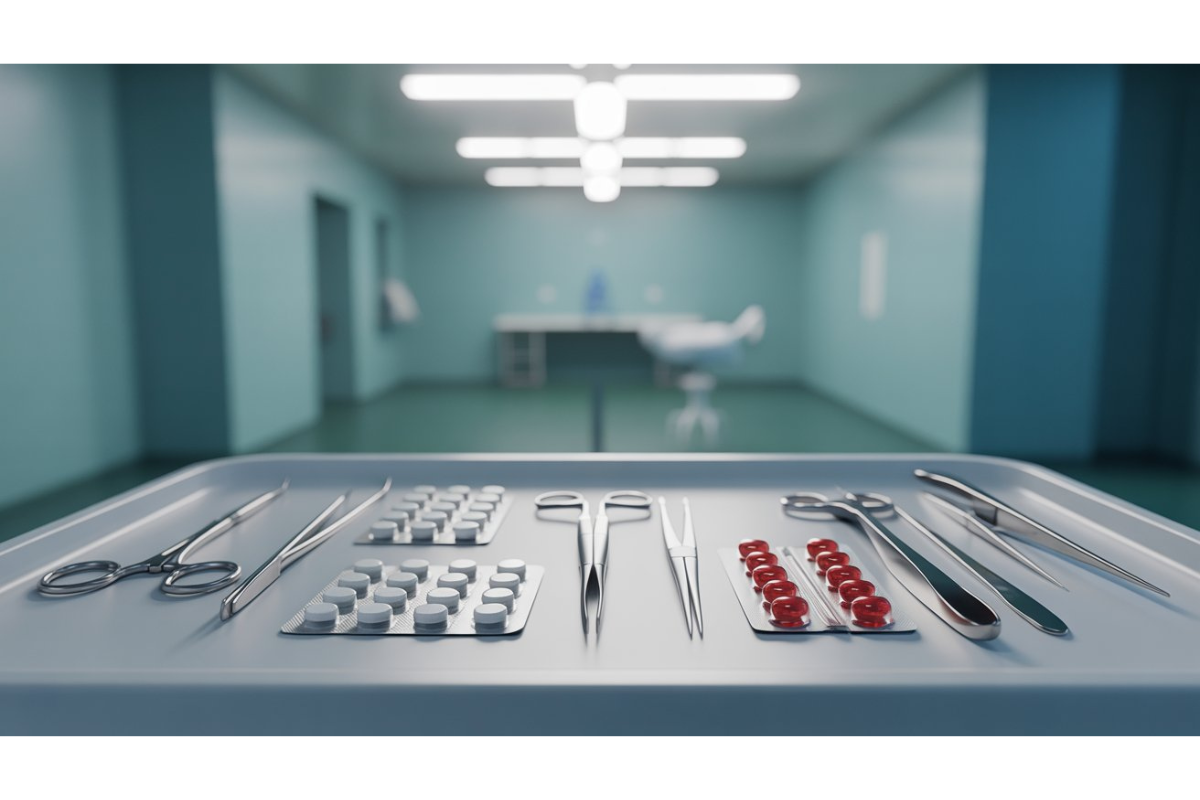
Abortion Pill Information and Safety
Understanding Medication Abortion
Abortion Pill Name and Price in Nepal Common medications include mifepristone and misoprostol combinations. Prices vary based on:
- Healthcare facility pricing structure
- Additional services included (consultation, follow-up)
- Geographic location and accessibility
Is Abortion Pill Safe? When administered under proper medical supervision within appropriate gestational limits, abortion pills are highly safe and effective.
Abortion Pill Failure Chances Medical abortion fails in approximately 2-7% of cases, requiring surgical intervention. Signs of failure include:
- Continued pregnancy symptoms after treatment
- Lack of bleeding or tissue passage
- Positive pregnancy test after recommended timeframe
Long-term Considerations
Pregnancy After Multiple Abortions Medical evidence shows that properly performed abortions do not typically affect future fertility. Most women can conceive normally after abortion procedures.
Is Abortion Good or Bad? This deeply personal decision depends on individual circumstances, health considerations, and personal values. Healthcare providers focus on supporting whatever decision women make while ensuring access to safe, professional health care.
Finding the Right Abortion Center Near Me
Outpatient Department and Ongoing Reproductive Care
Many services are provided through the outpatient department, which means women can return home the same day.
Outpatient care:
-
Offers safe follow-up services
-
Supports long-term reproductive health
-
Helps women recover comfortably
This care is simple, safe, and respectful.
Location and Accessibility Factors
Abortion Center Near Me When searching for nearby services, consider:
- Transportation accessibility and parking availability
- Privacy and discretion in location
- Comprehensive service availability
- Emergency medical support capabilities
Abortion Clinics Near Me Multiple abortion clinics near me may offer services, but quality varies. Research facilities offering:
- Licensed medical professionals
- Complete pre and post-procedure care
- Transparent pricing and service information
- Positive patient reviews and recommendations
Abortion Hospital Near Me Hospital-based services often provide:
- Comprehensive medical emergency support
- Advanced surgical facilities
- Specialist consultation availability
- Integrated healthcare service coordination
Kathmandu Health Services: What Makes Us Different
Comprehensive Care Standards
Kathmandu health services have evolved significantly, with modern facilities now offering international-standard reproductive healthcare. The Best Abortion Center Kathmandu provides:
Patient-Centered Approach
- Individual consultation and customized care planning
- Multilingual staff and cultural sensitivity
- Flexible scheduling and emergency availability
- Confidential record keeping and privacy protection
Medical Excellence
- Board-certified gynecologists with specialized training
- Modern equipment and sterile surgical facilities
- Evidence-based treatment protocols
- Continuous medical education and skill development
Support Services
- Professional counseling and emotional support
- Family planning and contraceptive education
- Post-procedure follow-up and monitoring
- Community health education programs
Quality Assurance Measures
Women’s Health Clinic Near Me standards include:
- Regular facility inspections and quality audits
- Staff certification and continuing education requirements
- Patient safety protocol adherence
- Emergency response capability maintenance
Safe Abortion Nepal: Public Health Impact
Maternal Health Improvements
Safe Abortion Nepal initiatives have dramatically improved maternal health outcomes:
- Reduced maternal mortality rates
- Decreased complications from unsafe procedures
- Improved access to comprehensive reproductive healthcare
- Enhanced planned parenthood service integration
Community Health Benefits
Legal abortion access has contributed to:
- Better planned parenthood and spacing decisions
- Improved educational and economic opportunities for women
- Reduced burden of unwanted pregnancies on healthcare systems
- Enhanced gender equality and reproductive autonomy
Choosing Sanjivani Diagnostic Lab Center: Your Trusted Safe Abortion Center in Kathmandu
Why Choose Our Safe Abortion Center in Kathmandu
Sanjivani Diagnostic Lab Center stands as Kathmandu’s premier Safe Abortion Center in Kathmandu, offering comprehensive reproductive healthcare services with unwavering commitment to patient safety, dignity, and professional excellence. Our facility represents the Best Abortion Hospital in Kathmandu, combining advanced medical technology with sympathetic care.
Our Comprehensive Services
Complete Reproductive Healthcare Solutions As the leading Safe Abortion Clinic in Kathmandu, we provide:
- Expert medical consultations with board-certified gynecologists
- State-of-the-art diagnostic services and laboratory testing
- Safe abortion procedures using international protocols
- Comprehensive post-procedure care and follow-up services
- Family planning and contraceptive counseling
- Sexual and reproductive health education
Advanced Medical Facilities Our Safe Abortion Center in Kathmandu features:
- Modern surgical suites with advanced equipment
- 24/7 emergency medical support capabilities
- Comprehensive laboratory and diagnostic services
- Comfortable recovery areas with professional nursing care
- Strict infection control and safety protocols
- Confidential consultation and treatment environments
Patient Care Excellence
Professional Medical Team Sanjivani Diagnostic Lab Center’s Safe Abortion Center in Kathmandu employs:
- Experienced gynecologists specialized in reproductive health
- Trained nursing staff with abortion care expertise
- Professional counselors providing emotional support
- Laboratory technicians ensuring accurate diagnostic testing
- Administrative staff maintaining confidentiality and privacy
Personalized Treatment Approach Each patient at our Safe Abortion Center in Kathmandu receives:
- Comprehensive medical assessment and individualized care planning
- Detailed procedure explanation and informed consent process
- Pain management options tailored to individual needs
- Emotional support throughout the entire treatment journey
- Thorough aftercare instructions and follow-up scheduling
Commitment to Safety and Legal Compliance
Medical Standards Adherence Our Safe Abortion Center in Kathmandu maintains:
- Full compliance with Nepal’s abortion laws and regulations
- Adherence to World Health Organization safety guidelines
- Regular staff training and medical education programs
- Continuous quality improvement and patient safety initiatives
- Transparent pricing and ethical business practices
Community Trust and Reputation Sanjivani Diagnostic Lab Center has earned recognition as Kathmandu’s most trusted Safe Abortion Center in Kathmandu through:
- Years of dedicated service to women’s reproductive health
- Thousands of successful procedures with minimal complications
- Strong community relationships and healthcare provider networks
- Positive patient testimonials and professional referrals
- Active participation in reproductive health advocacy and education
Getting Started with Our Services
Scheduling Your Consultation Contact Sanjivani Diagnostic Lab Center, your premier Safe Abortion Center in Kathmandu, to:
- Schedule confidential consultation appointments
- Receive detailed information about available services
- Discuss individual healthcare needs and treatment options
- Plan comprehensive care including pre and post-procedure support
Emergency Services Our Safe Abortion Center in Kathmandu provides:
- 24/7 emergency contact availability
- Urgent care for abortion-related complications
- Immediate medical intervention when necessary
- Seamless referral to specialized care when required
Helping Women Make Informed Health Decisions
Good healthcare helps women make informed decisions about their bodies and health. Doctors explain options clearly and respect each woman’s choice.
By focusing on safety, kindness, and expert care, clinics support women’s health today and in the future.
Conclusion: Your Health, Your Choice, Our Commitment
Choosing the right Safe Abortion Center in Kathmandu represents a crucial decision affecting your health, safety, trust and future wellbeing. Sanjivani Diagnostic Lab Center combines medical excellence with compassionate care, providing comprehensive reproductive healthcare services that respect your autonomy while ensuring your safety.
Our commitment as the leading Safe Abortion Center in Kathmandu extends beyond individual procedures to encompass complete reproductive health support, planned parenthood guidance, and ongoing medical care. We understand that each woman’s situation is unique, requiring personalized attention, professional medical expertise, and unwavering respect for privacy and dignity.
Whether you’re seeking immediate abortion services, reproductive health consultation, or comprehensive women’s healthcare, Sanjivani Diagnostic Lab Center serves as your trusted Safe Abortion Center in Kathmandu. Our experienced medical team, advanced facilities, and also patient-centered approach ensure that you receive the highest quality care in a safe, supportive environment.
Contact Sanjivani Diagnostic Lab Center just today to schedule your confidential consultation with Kathmandu’s premier Safe Abortion Center in Kathmandu. Your health, safety, and peace of mind remain our highest priorities as we support you through every aspect of your reproductive healthcare journey.
Frequently Asked Questions
1. How many weeks is abortion legal in Nepal?
Abortion is legal in Nepal up to twelve weeks of pregnancy on request. However, in special circumstances such as rape, incest, health risks to the mother, or severe fetal impairment, the law permits abortion up to 28 weeks under medical supervision in an authorized hospital.
2. Can I abort after 7 weeks?
Yes, abortion after 7 weeks is legal and possible in Nepal. At this stage, medical abortion with pills can be effective, but in some cases, non-medical abortion may be recommended depending on the woman’s health and gestational age. It is important to consult a safe abortion clinic for proper guidance.
3. What is the unsafe abortion rate in Nepal?
Despite abortion being legal, research shows that a significant percentage of abortions in Nepal are still unsafe. Studies indicate that around 40–50% of abortions are performed outside legal health facilities, often due to lack of awareness, stigma, or limited access to certified providers. Unsafe abortion continues to contribute to maternal health complications in the country.
4. Can I abort after 12 weeks?
Yes, abortion after twelve weeks is allowed only under certain legal conditions. These include pregnancies resulting from sexual assault or incest, cases where the mother’s physical or mental health is at risk, or when there are serious fetal abnormalities. Such procedures must be carried out in certified hospitals with experienced doctors.
5. Can I abort in 20 weeks?
Abortion at 20 weeks is legally permitted only if continuing the pregnancy poses a severe risk to the mother’s life or health, or if the fetus has serious abnormalities. In such cases, a licensed medical professional must evaluate and perform the procedure in a recognized health facility.
6. Is abortion 100% safe?
Abortion is generally very safe when carried out legally by trained healthcare professionals in approved clinics or hospitals. However, like any medical procedure, it is not 100% risk-free. Possible risks include infection, excessive bleeding, or incomplete abortion, but these are rare when proper health care is provided.
7. Is abortion painful at 1 month?
At one month of pregnancy (around 4–5 weeks), abortion is usually performed using abortion pills. This process may cause cramping, abdominal pain, and bleeding, similar to or slightly heavier than a menstrual period. The level of pain varies among women but is usually manageable with pain relief medication prescribed by a doctor.
8. Is abortion good or bad?
Whether abortion is considered good or bad depends on the individual’s circumstances, beliefs, and health needs. From a medical perspective, abortion is a safe and necessary healthcare service when performed under legal and professional guidance. It helps women manage unwanted pregnancies, protect their health, and make choices about their reproductive lives.
9. How long does an abortion take?
The duration of an abortion depends on the method used. A medical abortion with pills may take several hours to a couple of days for the pregnancy to be expelled completely. A surgical abortion, on the other hand, is a shorter procedure, usually lasting 15–30 minutes, though some additional recovery time at the clinic is required.