

Surgical abortion is a medical procedure used to end a pregnancy. As with any medical decision, it is important to discuss abortion care with a qualified healthcare professional. Factors such as how far along the pregnancy is (gestational age), medical history, and individual circumstances can influence which abortion option may be appropriate.
This article provides a general, factual overview of surgical abortion, including what it is, how it works, what to expect before and after the procedure, possible risks, recovery, and how it differs from medical (medication) abortion. It is not a substitute for personal medical advice. Anyone considering abortion should speak with a qualified healthcare provider for guidance based on their circumstances.
What Is Surgical Abortion?
Surgical abortion is a medical procedure used to end a pregnancy. It is performed by a trained healthcare professional in an appropriate healthcare setting and generally involves medical instruments and suction.
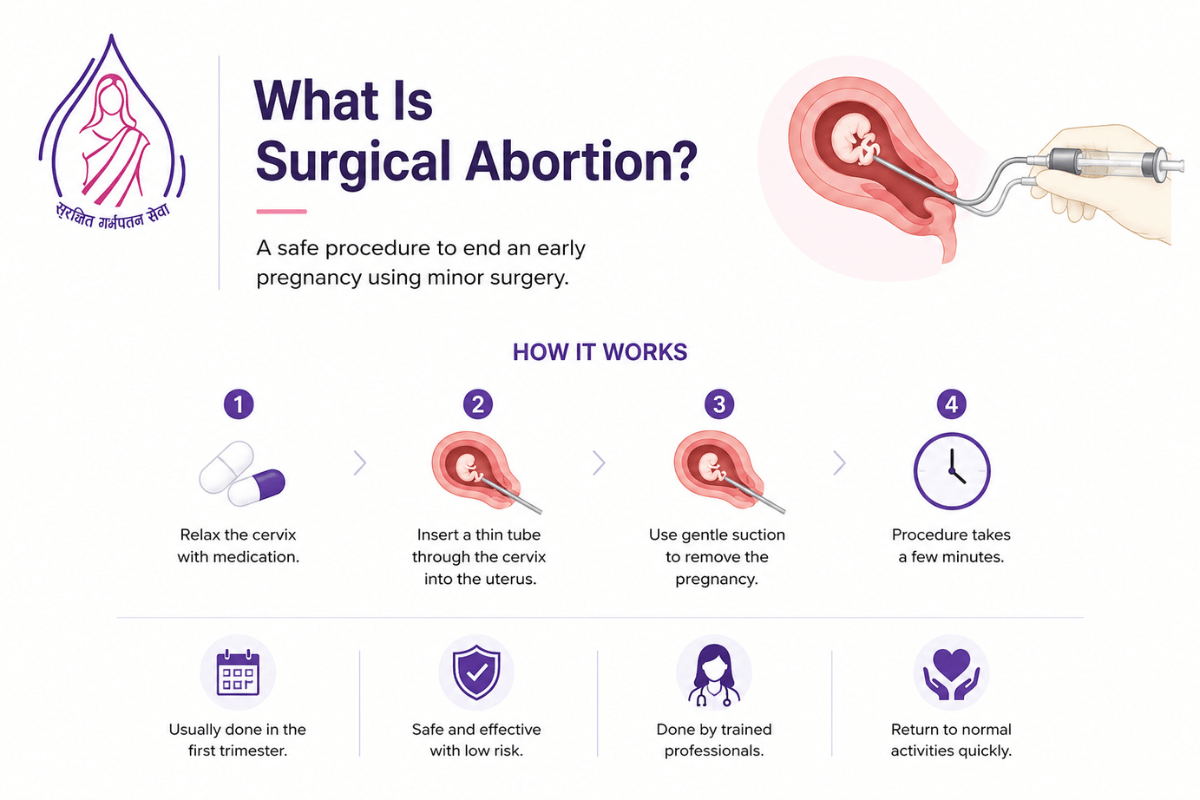
Surgical abortion is one of the main approaches to abortion care. Another approach is medical abortion, which uses medication rather than a procedure. The appropriate option can depend on factors such as gestational age, health history, and personal circumstances. A qualified healthcare professional can explain the available options and discuss which may be appropriate.
Who May Consider Surgical Abortion?
Surgical abortion may be an option for someone seeking to end a pregnancy, but whether it is appropriate depends on their individual situation. A qualified healthcare professional can assess the pregnancy, review relevant health information, and discuss the available options.
Factors that may be considered include:
- Pregnancy duration: How far along the pregnancy is can affect which abortion options may be available.
- Medical history: Existing health conditions, medications, allergies, and other relevant health information may be considered.
- Previous procedures: Previous pregnancies, procedures, or treatments may be relevant to the clinical assessment.
- Individual circumstances: Personal needs, preferences, and other circumstances may be considered when discussing available options.
- Clinical assessment: A healthcare professional can assess the pregnancy and overall circumstances before discussing appropriate care.
Because these factors vary from person to person, general information cannot determine whether surgical abortion is appropriate for you. A qualified healthcare professional can provide guidance based on your specific circumstances.
Types of Surgical Abortion
The type of surgical abortion used can depend on factors such as gestational age, individual health circumstances, and clinical assessment. Two commonly discussed procedures are vacuum aspiration and dilation and evacuation (D&E).
Vacuum Aspiration
Vacuum aspiration is a surgical abortion procedure that uses suction to remove the pregnancy from the uterus. It is performed by a trained healthcare professional in an appropriate clinical setting. Whether this approach is suitable depends on factors such as the stage of pregnancy and the individual’s circumstances.
Dilation and Evacuation (D&E)
Dilation and evacuation (D&E) is another surgical abortion procedure. It involves preparing the cervix and using medical instruments and suction to empty the uterus. The specific approach and preparation can vary depending on the stage of pregnancy and individual clinical circumstances.
Which Type May Be Appropriate?
There is no single surgical abortion procedure that is appropriate for everyone. A qualified healthcare professional can assess the pregnancy, review relevant medical history, and explain the available options based on the individual’s circumstances.
How Does Surgical Abortion Work?
At a general level, surgical abortion usually involves several stages:
- Consultation and assessment: A healthcare provider reviews relevant medical history and assesses the pregnancy.
- Preparation: Depending on individual circumstances, this may include an ultrasound or another assessment to determine gestational age. Pain-management options can also be discussed.
- The procedure: A trained clinician performs the procedure in an appropriate healthcare setting. The specific approach can vary depending on gestational age and individual circumstances.
- Recovery and observation: After the procedure, patients are monitored for a period of time and receive aftercare information before leaving the healthcare facility.
The exact process can vary between individuals and healthcare settings. A qualified healthcare provider can explain what to expect and answer questions about the procedure.
What Happens Before Surgical Abortion?
Before a surgical abortion, a healthcare professional will discuss your circumstances, assess the pregnancy, and explain the available options. The preparation process can vary depending on factors such as gestational age, medical history, and the healthcare setting.
Medical History
Your healthcare provider may ask about your medical history, current medications, allergies, previous pregnancies or procedures, and other information relevant to your care.
Pregnancy Assessment
The pregnancy may be assessed to determine factors such as gestational age and to help guide decisions about appropriate care. The type of assessment used can vary depending on individual circumstances.
Discussing Available Options
Your healthcare provider can explain the available abortion options, including the general process, potential risks, and what to expect during recovery. This is also an opportunity to ask questions and discuss any concerns before deciding how to proceed.
Pain-Management Options
Pain-management options can be discussed before the procedure. The options available may depend on the procedure, healthcare setting, and individual circumstances.
Consent and Aftercare Planning
Before treatment, the healthcare team should explain the procedure and give you an opportunity to ask questions. You may also receive information about recovery, possible warning signs, and how to access follow-up care if needed.
Questions You May Want to Ask
You may find it helpful to ask your healthcare provider:
- What should I expect before and after the procedure?
- What pain-management options are available?
- What risks or complications should I know about?
- What follow-up care may be needed?
- What symptoms should prompt me to seek medical attention?
The exact preparation process varies between individuals and healthcare settings. Your healthcare provider can explain what applies to your situation.
Is Surgical Abortion Safe?
Surgical abortion is generally considered a safe medical procedure when it is provided by trained healthcare professionals using appropriate clinical care. The safety of the procedure can depend on factors such as the stage of pregnancy, the type of procedure, the person’s medical history, and appropriate assessment before treatment.
Before surgical abortion, a healthcare professional can review relevant medical information, assess the pregnancy, discuss the available procedure and pain-management options, and explain potential risks. Appropriate aftercare and access to follow-up support are also important parts of safe abortion care.
Although serious complications are uncommon, surgical abortion can involve risks such as bleeding, infection, incomplete abortion, or other complications. Your healthcare provider can explain the risks relevant to your circumstances and tell you which symptoms require medical attention.
What Are the Possible Risks?
Although serious complications are uncommon, surgical abortion can have potential risks. These may include:
- Bleeding
- Infection
- Incomplete abortion, which may require further treatment
- Other uncommon complications, such as injury to the cervix or uterus or a reaction to medication
The level of risk can vary depending on factors such as the type of procedure and individual circumstances. A healthcare provider can explain the potential risks and warning signs relevant to your situation.
After a procedure, contact a healthcare professional if you experience heavy bleeding, severe or worsening pain, fever, fainting, or other symptoms that concern you.
Pain Management During Surgical Abortion
Pain and discomfort can vary from person to person during and after a surgical abortion. Pain-management options are available, but the approaches used can depend on the type of procedure, the healthcare setting, and individual circumstances.
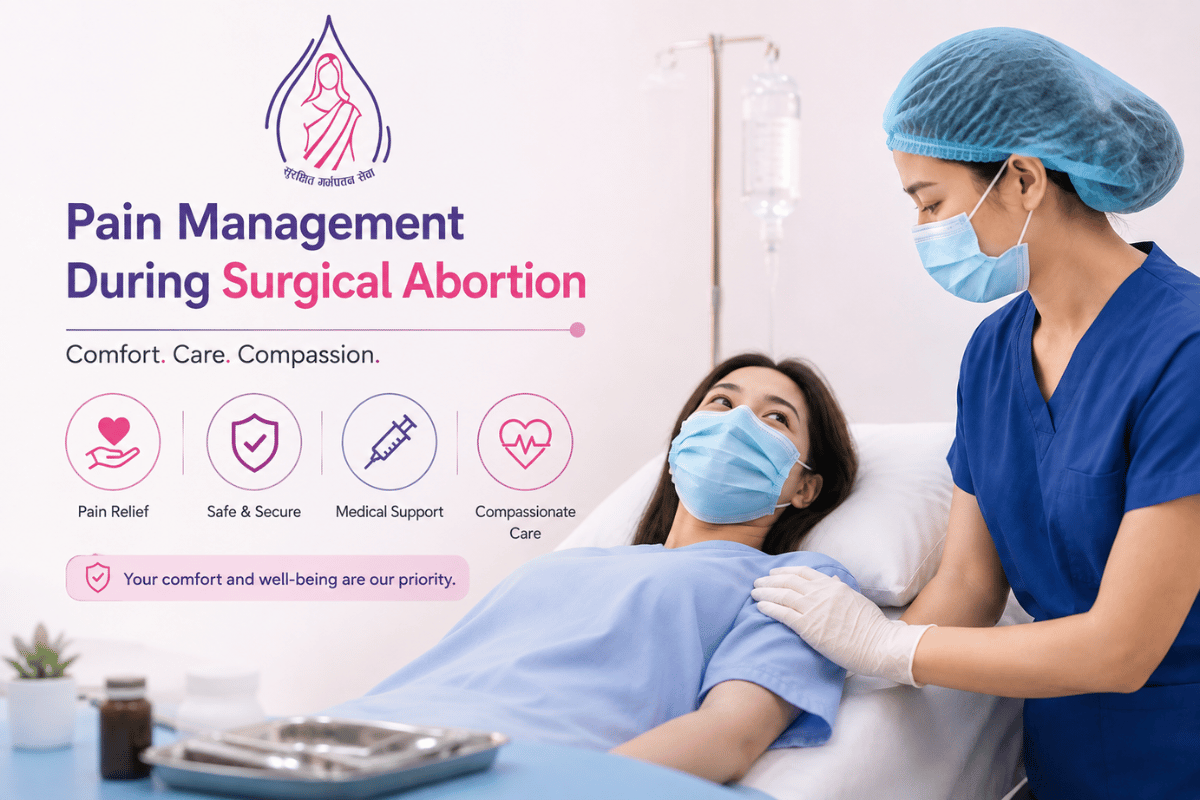
Before the procedure, a healthcare professional can explain the pain-management options that may be available and discuss what you may experience during and after the procedure.
If you have concerns about pain or discomfort, let your healthcare provider know. They can explain what to expect and discuss appropriate options based on your individual situation.
What Should You Expect After Surgical Abortion?
Recovery can vary from person to person and may depend on the type of procedure and individual circumstances. Your healthcare provider can give you specific aftercare instructions.
Cramping and bleeding. Mild to moderate cramping and some bleeding or spotting can occur after the procedure and generally improve over time.
Returning to normal activities. Recovery varies between individuals. Your healthcare provider can advise you about when to resume work, exercise, and other activities based on your circumstances.
Follow-up care. Depending on your circumstances and the care provided, follow-up may be recommended to assess recovery and address any questions or concerns. You can also discuss contraception if that is relevant to you.
Emotional experiences. People can have different emotional responses after an abortion. There is no single expected emotional response, and you can discuss any concerns with a healthcare professional or another appropriate source of support.
When to contact a healthcare professional. Seek medical attention if you experience very heavy bleeding, severe or worsening pain, fever, fainting, or other symptoms that concern you.
How Long Does Surgical Abortion Take?
The time involved in a surgical abortion can vary depending on factors such as the type of procedure, gestational age, individual circumstances, and the healthcare setting. It is helpful to distinguish between the procedure itself and the total time spent at the healthcare facility.
- The procedure itself: The surgical procedure is one part of the overall visit. Its duration can vary depending on the type of procedure and individual circumstances.
- Preparation: Additional time may be needed for assessment, discussion of the procedure, and preparation before treatment.
- Observation and recovery: After the procedure, you may be monitored for a period of time and receive aftercare information before leaving.
- Total visit: The overall time at the healthcare facility can therefore be longer than the procedure itself.
There is no single timeframe that applies to everyone. Your healthcare provider can explain what to expect and how much time you may need to allow for your visit.
What Can You Expect During Recovery?
Recovery after surgical abortion can vary from person to person and may depend on the type of procedure and individual circumstances. Your healthcare provider can explain what you may experience and provide guidance specific to your situation.

Cramping
Some cramping can occur after the procedure. The intensity and duration can vary, and your healthcare provider can explain what to expect and discuss appropriate ways to manage discomfort.
Bleeding or Spotting
Some bleeding or spotting may occur after surgical abortion. The amount and duration can vary between individuals. Your healthcare provider can explain what is expected and which changes should be reported.
Returning to Normal Activities
When you can return to work, exercise, and other usual activities can depend on how you are feeling and the type of procedure. Follow the aftercare guidance provided by your healthcare professional rather than relying on a general timeframe.
Follow-Up Care
Depending on your circumstances, follow-up care may be recommended to assess recovery and address any questions or concerns. Your provider can explain whether follow-up is needed and what it may involve.
Emotional Experiences
People can have different emotional responses after an abortion. Some may experience relief, sadness, stress, or a mixture of emotions. There is no single emotional response that applies to everyone. If you have concerns about how you are feeling, consider speaking with a healthcare professional or another appropriate source of support.
When to Seek Medical Attention
Contact a healthcare professional if you experience very heavy bleeding, severe or worsening pain, fever, fainting, or other symptoms that concern you. If you are unsure whether a symptom is part of normal recovery, contact your healthcare provider for advice.
Recovery is individual, so your healthcare provider’s instructions should take priority over general information.
Surgical Abortion vs. Medical Abortion
Surgical abortion and medical abortion are different approaches to ending a pregnancy. The appropriate option can depend on factors such as gestational age, medical history, individual circumstances, and clinical assessment.
| What to consider | Surgical abortion | Medical abortion |
|---|---|---|
| What it involves | A procedure performed by a trained healthcare professional | Medication used to end a pregnancy |
| Setting | A healthcare facility | The setting can vary depending on clinical guidance |
| General process | A clinical procedure performed by a healthcare professional | Medication is used as part of the abortion process |
| Recovery | Recovery can vary by individual and procedure | Recovery can vary by individual |
Neither method is universally “better.” The appropriate option depends on individual circumstances and clinical considerations. A qualified healthcare professional can explain the available options, discuss their potential benefits and risks, and help you understand which approach may be appropriate for you.
What Questions Should You Ask Your Healthcare Provider?
If you are considering surgical abortion, asking questions during your consultation can help you understand your options, what to expect, and how to prepare. You may want to ask:
- Which abortion options may be appropriate for me?
- What should I expect before, during, and after the procedure?
- What pain-management options are available?
- What potential risks or complications should I know about?
- What follow-up care may I need?
- What symptoms should prompt me to seek medical attention?
- Who should I contact if I have concerns after the procedure?
- Are there any specific instructions I should follow during recovery?
General information cannot replace advice based on your individual circumstances. A qualified healthcare professional can answer your questions, explain your available options, and provide guidance specific to your care.
Getting Professional Abortion Care
If you are considering abortion, a qualified healthcare professional can explain the available options, potential risks, and follow-up care based on your circumstances. When choosing a healthcare provider, consider looking for:
- Appropriately licensed healthcare professionals
- A private and confidential environment
- Appropriate assessment before the procedure
- Clear aftercare and follow-up guidance
- An opportunity to ask questions and understand your care
Choosing an appropriately qualified healthcare provider can help you access relevant information, appropriate care, and follow-up support based on your circumstances.
Frequently Asked Questions About Surgical Abortion
Is surgical abortion safe?
Surgical abortion is generally considered safe when provided by trained healthcare professionals in an appropriate clinical setting, although like any medical procedure, it can involve potential risks and complications.
Is surgical abortion painful?
Pain and discomfort can vary between individuals, and available pain-management options may depend on the procedure, healthcare setting, and individual circumstances.
What is the difference between surgical and medical abortion?
Surgical abortion involves a procedure performed by a healthcare professional, while medical abortion uses medication to end a pregnancy.
What happens before surgical abortion?
Before surgical abortion, a healthcare professional may review your medical history, assess the pregnancy, discuss available options, and explain the procedure and pain-management options.
How long does surgical abortion take?
The time involved varies depending on the procedure, gestational age, individual circumstances, and healthcare setting, with preparation and recovery adding to the overall visit.
What happens after surgical abortion?
After surgical abortion, some people experience cramping and bleeding or spotting, and they receive aftercare guidance with recovery varying from person to person.
Can I return to normal activities after surgical abortion?
The timing for returning to work, exercise, and other activities varies, so follow the recovery guidance provided by your healthcare professional.
What follow-up care may be needed?
Follow-up care depends on individual circumstances and the type of care provided, and a healthcare professional can explain whether follow-up is recommended.
What symptoms should I be concerned about after surgical abortion?
Contact a healthcare professional if you experience very heavy bleeding, severe or worsening pain, fever, fainting, or other symptoms that concern you.
Can pregnancy occur again after abortion?
Fertility can return after an abortion, and anyone wishing to avoid another pregnancy can discuss contraception options with a qualified healthcare professional.
What is vacuum aspiration?
Vacuum aspiration is a surgical abortion procedure that uses suction to remove a pregnancy from the uterus.
What is D&E?
Dilation and evacuation (D&E) is a surgical abortion procedure that uses medical instruments and suction to empty the uterus.
When should I seek medical help after surgical abortion?
Seek medical attention for very heavy bleeding, severe or worsening pain, fever, fainting, or other concerning symptoms.
Conclusion
Surgical abortion is a medical procedure performed by trained healthcare professionals. The appropriate abortion option can depend on factors such as gestational age, health history, and individual circumstances. Understanding what the procedure involves, its potential risks, and what to expect during recovery can help you make informed questions for your healthcare provider.
A qualified healthcare professional can explain the available options, answer your questions, and provide guidance based on your specific situation. At Sanjivani Diagnostic Lab Center, we offer transparent pricing, quality medications, and comprehensive support throughout your journey.
Contact us today to:
- Schedule a confidential consultation
- Learn more about our transparent pricing
- Discuss your options with experienced professionals
- Access safe, legal abortion services
- Receive comprehensive reproductive healthcare