
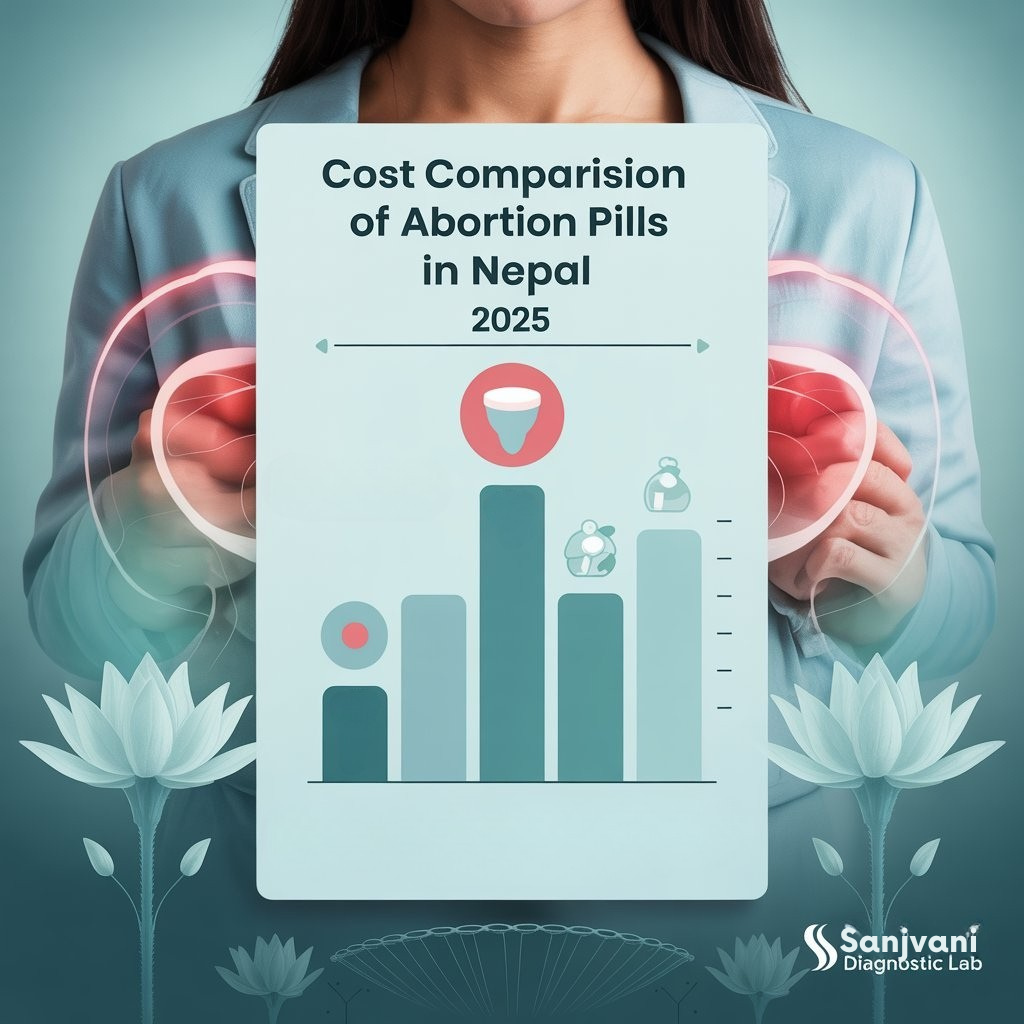
Abortion pill cost in Nepal usually ranges from NPR 4,000 to NPR 13,000 depending on the medicine brand, clinic, ultrasound, and medical consultation included in the treatment. At Sanjivani Diagnostic Lab in Kathmandu, women can access confidential diagnostic support, pregnancy testing, ultrasound services, and medically guided reproductive healthcare.
When considering medical abortion options in Nepal, understanding the abortion pill cost is very important for making safe and informed health decisions. Many women and families want clear information about how much the pills cost, where to get them, and what other costs may be included. The price of an abortion pill in Nepal can change based on the brand, clinic, and level of medical care provided.
Quick Abortion Pill Price Guide (2026)
- MTP Kit: NPR 3,500 – 7,500
- Mifepristone + Misoprostol: NPR 4,000 – 13,000
- Ultrasound: NPR 1,500 – 2,500
- Pregnancy Test (β-hCG): NPR 800 – 1,200
- Consultation: NPR 1,000 – 3,000
What Are Abortion Pills in Nepal?
Medical abortion has become increasingly accessible in Nepal since abortion was legalized in 2002. The abortion pill cost varies significantly depending on the type of medication, brand, and healthcare facility you choose. At Sanjivani Diagnostic Lab, we provide comprehensive support for women seeking accurate information about reproductive health options and abortion pill cost information.
Is Abortion Legal in Nepal? (2026 Guide)
Nepal’s abortion laws allow medical termination of pregnancy up to 12 weeks of gestation without requiring specific reasons. For pregnancies between 12-18 weeks, abortion is permitted in cases of rape, incest, or when the mother’s life is at risk. Understanding these legal parameters is essential when considering abortion pill cost and treatment options.
Eligibility Criteria:
-
Pregnancy up to 12 weeks: legal for any woman.
- 12–18 weeks: permitted in cases of rape, incest, or risk to the mother’s life.
- Beyond 18 weeks: only allowed if the mother’s life is in danger or severe fetal abnormalities
Required Documentation:
-
Government-issued ID (citizenship or passport)
-
Medical history and prior health reports if needed
-
In cases of rape or incest: legal documentation (police report or affidavit)
Step-by-Step Procedure at Licensed Clinics (like Sanjivani Diagnostic Lab):
-
Consultation: Discuss medical history, gestational age, and legal eligibility.
-
Pregnancy Confirmation: Blood test (β-hCG) and ultrasound.
-
Counseling: Explanation of medical abortion process, side effects, and post-abortion care.
-
Medication Administration: Mifepristone followed by Misoprostol (or MTP kit).
-
Follow-up: β-hCG testing and ultrasound to confirm abortion completion.
Complete Breakdown of Abortion Pill Cost in Nepal

Abortion Medicine Prices in Nepal
Mifepristone and Misoprostol Combination
The most effective medical abortion method combines two medications. You can see info of abortion pill cost as :
Mifepristone Price in Nepal:
- Generic brands: NPR 2,500 – NPR 4,000
- International brands: NPR 4,500 – NPR 6,500
- Premium formulations: NPR 6,000 – NPR 8,000
Misoprostol Price in Nepal:
- Generic versions: NPR 1,200 – NPR 2,500
- Branded options: NPR 2,800 – NPR 4,200
- Hospital-grade quality: NPR 3,500 – NPR 5,000
Combined Treatment Cost:
- Total abortion pill cost: NPR 4,000 – NPR 13,000
- Average market price: NPR 6,500 – NPR 8,500
MTP Kit Price in Nepal
The MTP (Medical Termination of Pregnancy) kit is a popular combination package:
- Standard MTP kit: NPR 3,500 – NPR 5,500
- Premium MTP kit: NPR 5,000 – NPR 7,500
- Hospital-dispensed MTP kit: NPR 6,000 – NPR 9,000
The MTP kit price in Nepal typically includes both mifepristone and misoprostol in predetermined dosages, making it a convenient option for many patients.
Misoprostol Price in Nepal
For cases where mifepristone is not available or contraindicated:
Misoprostol price for standalone treatment:
- Generic brands: NPR 1,800 – NPR 3,200
- Quality brands: NPR 2,500 – NPR 4,500
- International formulations: NPR 3,000 – NPR 5,500
Emergency Contraception vs. Abortion Pills
It’s important to distinguish between emergency contraception and abortion pills:
I-Pill Price in Nepal (Emergency Contraception):
- Generic i-pill: NPR 150 – NPR 300
- Branded options: NPR 250 – NPR 450
- Premium formulations: NPR 400 – NPR 600
The ipill price in nepal is significantly lower than abortion pills because i-pill is emergency contraception, not an abortion medication. The ipil price in nepal varies by pharmacy and brand quality.
Factors Affecting Abortion Pill Cost
How Location Affects Abortion Pill Cost in Nepal
Abortion pill cost varies across different regions:
- Kathmandu Valley: NPR 5,000 – NPR 12,000
- Pokhara: NPR 4,500 – NPR 10,000
- Regional cities: NPR 4,000 – NPR 9,000
- Rural areas: NPR 3,500 – NPR 8,000
Government Hospital vs Private Clinic Costs
The cost of abortion pill in nepal and abortion pill cost depends on where you seek treatment:
- Government hospitals: NPR 2,000 – NPR 5,000
- Private clinics: NPR 4,000 – NPR 8,000
- Specialized centers: NPR 6,000 – NPR 12,000
- International clinics: NPR 8,000 – NPR 15,000
Additional Costs to Consider
Medical Tests Before Taking Abortion Pills
Before beginning medical abortion, several tests are mandatory:
Pre-Treatment Diagnostics at Sanjivani Diagnostic Lab:
- Pregnancy confirmation (β-hCG): NPR 800 – NPR 1,200
- Complete blood count (CBC): NPR 600 – NPR 1,000
- Blood typing and Rh factor: NPR 1,000 – NPR 1,500
- Ultrasound for gestational age: NPR 1,500 – NPR 2,500
- Comprehensive package: NPR 3,500 – NPR 5,000
Follow-up Care Costs
Post-treatment monitoring is essential for safety:
Post-Treatment Monitoring:
- Follow-up β-hCG testing: NPR 800 – NPR 1,200
- Confirmation ultrasound: NPR 1,500 – NPR 2,500
- Infection screening: NPR 1,200 – NPR 2,000
- Complete follow-up package: NPR 3,000 – NPR 4,500
Total Abortion Cost in Nepal
When calculating the complete abortion cost in nepal, consider:
- Abortion pill price in nepal: NPR 4,000 – NPR 13,000
- Pre-treatment tests: NPR 3,500 – NPR 5,000
- Consultation fees: NPR 1,000 – NPR 3,000
- Follow-up care: NPR 3,000 – NPR 4,500
- Total abortion price in nepal: NPR 11,500 – NPR 25,500
Abortion Pill Brands and Prices in Nepal
Mifepristone Brands Available in Nepal
| Brand Name | Price Range | Availability |
|---|---|---|
| Mifeprex | NPR 4,500 – NPR 6,500 | Limited |
| Mifepristone Generic | NPR 2,500 – NPR 4,000 | Widely available |
| Korlym | NPR 6,000 – NPR 8,000 | Specialty clinics |
| Local brands | NPR 2,000 – NPR 3,500 | Common |
Misoprostol Brands and Pricing
| Brand Name | Price Range | Common Use |
|---|---|---|
| Cytotec | NPR 3,000 – NPR 5,000 | Hospital grade |
| Misoprostol Generic | NPR 1,200 – NPR 2,500 | Most common |
| Arthrotec | NPR 2,800 – NPR 4,200 | Combined formulation |
| Local manufacturers | NPR 1,000 – NPR 2,000 | Budget option |
Abortion Pill Side Effects: What to Expect
Understanding potential side effects is crucial when considering abortion pill cost and treatment:
Common Side Effects
Expected reactions (80-90% of patients):
- Heavy bleeding lasting 1-2 weeks
- Severe cramping, especially in first 24 hours
- Nausea and vomiting (60% of cases)
- Diarrhea (40% of cases)
- Fever and chills (30% of cases)
- Fatigue and weakness
Serious Side Effects Requiring Medical Attention
Warning signs (seek immediate help):
- Bleeding heavier than 2 pads per hour for 2+ hours
- Severe abdominal pain not relieved by medication
- Fever above 100.4°F lasting more than 24 hours
- Signs of infection (foul-smelling discharge, persistent fever)
- Severe allergic reactions
Managing Side Effects
Supportive care recommendations:
- Pain management with ibuprofen or acetaminophen
- Rest and adequate hydration
- Nutritious diet to support recovery
- Avoid strenuous activities for 1-2 weeks
- Regular follow-up as scheduled
Safety Guidelines and Contraindications
Who Should Not Use Abortion Pills

Contraindications include:
- Ectopic pregnancy
- Intrauterine device (IUD) in place
- Chronic adrenal failure
- Severe anemia
- Bleeding disorders
- Allergy to mifepristone or misoprostol
Before Taking an Abortion Pill
Essential steps before treatment:
- Comprehensive medical consultation
- Pregnancy confirmation through reliable testing
- Gestational age determination via ultrasound
- Complete health assessment
- Understanding of the procedure and risk
Diagnostic Tests Before and After Medical Abortion
At Sanjivani Diagnostic Lab, we provide comprehensive diagnostic support for reproductive health:
Our Services:
- Pre-treatment pregnancy confirmation and health screening
- Pregnancy ultrasound services for gestational age determination
- Complete blood work and laboratory testing
- Post-treatment monitoring and Post-Abortion Follow-Up Care
- Expert consultation and guidance
Why Choose Sanjivani Diagnostic Lab:
- State-of-the-art diagnostic equipment
- Experienced medical professionals
- Confidential and compassionate care
- Competitive pricing for all services
- Convenient locations across Nepal
Services Offered:
-
Routine gynecological exams (Pap smear, breast check)
-
Diagnosis and treatment of infections, irregular periods, menstrual disorders
-
Fertility consultations and preconception care
Confidentiality:
-
All consultations are private, with strict patient confidentiality.
Access:
-
Walk-in or scheduled appointments
-
24/7 emergency consultations for urgent gynecological issues
Post-Abortion Care and Recovery
Immediate Post-Treatment Care
First 24-48 hours:
- Monitor bleeding and pain levels
- Take prescribed medications as directed
- Rest and avoid strenuous activities
- Stay hydrated and eat nutritious foods
- Watch for warning signs
Follow-up Requirements
Essential monitoring at Sanjivani Diagnostic Lab:
- Pregnancy hormone (β-hCG) testing to confirm completion
- Ultrasound examination to verify uterine contents
- Assessment of overall health and recovery
- Contraceptive counseling and planning
Long-term Recovery
Weeks 2-4 post-treatment:
- Gradual return to normal activities
- Continued monitoring of menstrual cycle
- Emotional support and counseling if needed
- Family planning consultation
Physical Recovery:
-
Monitor bleeding and cramping
-
Pain management and hydration
-
Follow-up β-hCG testing and ultrasound
Emotional Support:
-
Counseling services for emotional well-being
-
Support groups or helplines for mental health guidance
Long-Term Reproductive Health:
-
Regular gynecological check-ups
-
Monitoring menstrual cycle normalization
-
Preventive care and STI screenings
Family Planning Guidance:
-
Post-abortion contraceptive counseling and provision
Contraception After Medical Abortion
Immediate Options
Contraceptive methods available immediately:
Hormonal Methods:
-
Pills: daily oral intake.
-
Injectable contraceptives: effective for 3 months per dose.
-
Implants: long-term, up to 3-5 years.
Intrauterine Devices (IUDs):
-
Copper or hormonal, effective 3–10 years.
Permanent Methods:
-
Tubal ligation (women) or vasectomy (men).
Natural Family Planning:
-
Fertility awareness-based methods (requires education and tracking).
Choosing the Best Option:
-
Consult a gynecologist for personalized advice.
-
Consider health history, lifestyle, and long-term family planning goals.
-
Sanjivani Diagnostic Lab provides contraceptive counseling to help select the most suitable method.
Long-term Family Planning
Sustainable contraceptive options:
- Long-acting reversible contraception (LARC)
- Permanent sterilization options
- Natural family planning methods
- Regular contraceptive counseling
Legal and Ethical Considerations
Your Rights as a Patient
Legal protections in Nepal:
- Right to confidential medical care
- Right to informed consent
- Right to choose your healthcare provider
- Right to post-abortion care
Ethical Healthcare Practices
Standards you should expect:
- Non-judgmental care from all staff
- Complete information about risks and benefits
- Respect for personal decisions
- Quality medical care regardless of background
Emergency Situations and Complications
When to Seek Immediate Medical Care
Emergency warning signs:
- Severe bleeding (soaking 2+ pads per hour for 2+ hours)
- Signs of infection (fever, chills, foul discharge)
- Severe abdominal pain
- Allergic reactions
- Incomplete abortion symptoms
Emergency Contacts
Important numbers to keep handy:
- Local emergency services: 100
- Hospital emergency departments
- Your healthcare provider’s emergency line
- Sanjivani Diagnostic Lab emergency consultation
Frequently Asked Questions
1. What is the cost of an abortion pill in Nepal?
The cost of an abortion pill in Nepal and abortion pill cost is usually between NPR 500 and NPR 2,500. The price can change based on the brand, quality, and where you buy it. Clinics may include extra service charges.
2. Is abortion pill free in Nepal?
In some government hospitals, abortion services may be free or very low cost. But private clinics usually charge money for medicine and care.
3. Which abortion pill is available in Nepal?
The most common abortion pills are mifepristone and misoprostol. These two medicines are used together to safely end early pregnancy.
4. Can I buy an abortion pill in a pharmacy in Nepal?
Some pharmacies may sell abortion pills, but it is safer to get them from a registered clinic. A doctor can guide you on the correct use and dose.
5. Is abortion legal in Nepal?
Yes, abortion is legal in Nepal under certain conditions. Women can visit approved health centers to get safe and legal abortion services.
6. What is the 72-hour pregnancy pill?
The 72-hour pill is an emergency pill taken after unsafe sex. It helps stop pregnancy before it starts, but it does not work after pregnancy begins.
7. Does iPill work after 4 days?
iPill works best within 72 hours (3 days). After 4 days, it may not work properly, so it is better to take it as soon as possible.
8. Is abortion painful?
Some women feel cramps and pain during abortion. It can feel like strong period pain. The pain usually goes away after some time.
9. Is abortion safe in Nepal?
Abortion is safe when done by trained health workers in a proper clinic. Using correct medicine and care reduces risk.
10. How many pills are used for abortion?
Usually, two types of pills are used. First, mifepristone is taken, and then misoprostol is taken later to complete the process.
11. Can I take 4 misoprostol at once?
You should not take medicine on your own. A doctor will tell you how many pills to take and when to take them safely.
12. Is abortion pill 100% effective?
Abortion pills are very effective, but not 100%. In rare cases, extra medical care may be needed.
13. Can a 2-month pregnancy be removed with pills?
Yes, early pregnancy up to about 9 weeks can usually be ended with pills. It is safer to do this with medical advice.
14. Can a 3-month pregnancy be aborted?
Yes, but at 3 months, it is safer to go to a hospital or clinic. Doctors may use different methods for better safety.
15. What is a safe abortion?
A safe abortion is done by trained health workers using approved medicine or tools in a clean and safe place.
16. How do I get an abortion in Nepal?
You can visit a government hospital or a certified clinic. They will guide you through the process safely and legally.
17. What is the minimum age for abortion in Nepal?
There is no fixed age, but younger girls may need support from a guardian depending on the situation and law.
18. Is abortion better than emergency pills?
Emergency pills are used to stop pregnancy before it starts. Abortion pills are used after pregnancy begins. They are used for different purposes.
19. What is abortion called in Nepali?
Abortion is called “गर्भपतन” (Garbhapatan) in Nepali. It means ending a pregnancy.
20. Which abortion method is best and safe?
The best method depends on how many weeks pregnant you are. A doctor can suggest the safest option for you.
21. How Effective Are Abortion Pills?
Medical abortion is 95-98% effective when used correctly within the appropriate gestational timeframe. The abortion pill cost reflects this high success rate and convenience compared to surgical options.
22. How Long Does the Process Take?
- Mifepristone administration: Day 1
- Misoprostol administration: 24-48 hours later
- Complete process: 1-2 weeks
- Follow-up confirmation: 1-2 weeks after treatment
23. Can I Get Abortion Pills Online?
While abortion pill online options exist, purchasing from unverified sources is dangerous. Always obtain medications through licensed healthcare providers to ensure safety and authenticity.
24. What’s the Difference Between Emergency Contraception and Abortion Pills?
Emergency contraception (i-pill) prevents pregnancy and costs NPR 150-600. Abortion pills terminate existing pregnancies and cost NPR 4,000-13,000. The pills price in nepal varies significantly between these two categories.
25. How long does it take for an abortion pill to work?
The abortion pill cost usually starts working within a few hours after taking the second medicine (misoprostol). You may feel cramps and bleeding as the body removes the pregnancy. This process can take a few hours to a few days.
26. When should I see a doctor after taking an abortion pill?
You should see a doctor if you have very heavy bleeding, strong pain that does not stop, or fever. It is also good to visit a clinic after a few weeks to make sure the abortion is complete.
Conclusion
Understanding abortion pill cost in Nepal is essential for making informed healthcare decisions. The total cost of abortion pill in nepal ranges from NPR 11,500 to NPR 25,500, including medications, diagnostic tests, and follow-up care. While the abortion pill price in nepal varies by location and provider, investing in quality care and proper medical supervision is crucial for safety and effectiveness.
At Sanjivani Diagnostic Lab, we’re committed to providing comprehensive diagnostic support for women’s reproductive health needs. Our experienced team offers confidential, professional services at competitive prices, ensuring you receive the highest quality care throughout your healthcare journey.
For accurate pregnancy testing, pre-treatment diagnostics, and post-abortion monitoring, trust Sanjivani Diagnostic Lab. Contact us today to schedule your consultation and learn more about our comprehensive reproductive health services.
Women can access workshops and awareness programs at clinics and community centers to learn about sexual and reproductive health rights. Reliable online resources, including government portals and Sanjivani Diagnostic Lab’s website, provide up-to-date information.
Interactive tools like infographics and counseling sessions with doctors help women understand contraception, menstrual health, and pregnancy care. Information on legal rights, patient confidentiality, and informed consent empowers women to make safe, informed decisions.